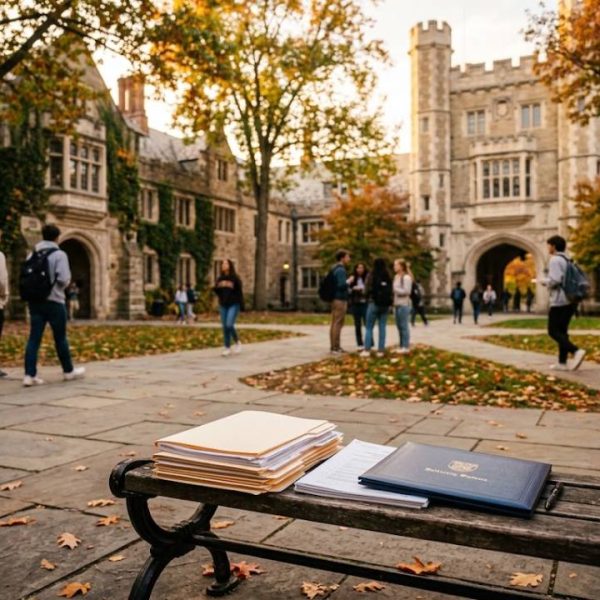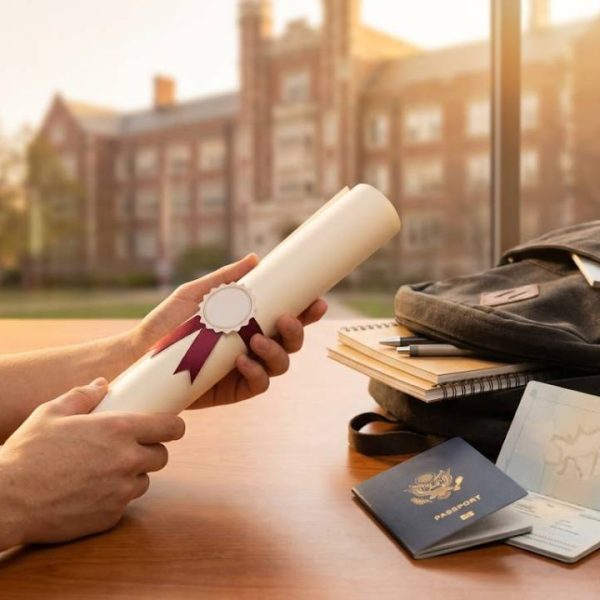
Every year, thousands of students dream of studying abroad. They pick a country, shortlist universities and prepare a personal statement. Then comes the part that many applicants underestimate: the paperwork. Transcripts, diplomas, reference letters and identity documents all have to be understood by an admissions office that may not read the language they were written in.
Getting these documents right can decide whether an application moves forward or stalls. A beautiful application with poorly translated papers is a risky application. This guide explains what universities typically expect and how to prepare.
Why universities ask for translations
Admissions officers must compare qualifications from many education systems. A grade of 5 can be excellent in one country and average in another. To judge fairly, they need accurate versions of your records in a language they can read, usually English or the language of instruction.
Mistakes in names, dates, subject titles or grading scales can lead to delays or even rejection. A trusted translation removes doubt.
Which documents usually need translating
- Secondary school certificates and final exam results
- University transcripts and degree certificates
- Course descriptions and syllabi, for credit transfer
- Birth certificates and identity documents
- Recommendation letters and employer references
- Language test results and proof of funds
Always check the university's own list, because requirements vary by country, programme and level of study.
What certified translation means
Many institutions and immigration offices ask for a translation that includes a signed statement confirming that it is complete and accurate. Specialist certified translation services provide this confirmation, together with the translator's details, so that the receiving office can trust the document.
Rules differ by country. Some require a sworn translator, others a notarised statement, and some accept a translation from a recognised agency. Ask the university what it accepts before you order.
Check visa and immigration rules too
Studying abroad often involves a visa. Each country sets its own document rules, and they change from time to time. The official page on the student visa for the United Kingdom shows how detailed these requirements can be, from proof of acceptance to financial evidence.
Build a realistic timeline
Start at least three months before the deadline. You need time to request official copies from your school, have them translated, and correct any errors. Documents from some institutions take weeks to arrive.
- Twelve to six months before: research programmes and requirements.
- Six to four months before: order official transcripts and certificates.
- Four to three months before: commission translations.
- Two months before: submit the application and track confirmations.
Avoid common mistakes
Applicants often translate documents themselves or ask a friend. Even if the language skills are good, such translations are rarely accepted. Another common error is ignoring name consistency: the spelling on your passport, transcripts and application form should match exactly.
Also remember to keep the translated and original documents together, since officials may ask to see both.
Understanding grading systems
Universities often add a note explaining the grading scale. If your documents do not include one, ask your school to provide it. A translator can help by keeping original grade terms and adding a clear explanation, but the school should confirm the scale.
Language skills beyond the papers
Your documents open the door, but language skills help you thrive once inside. Lectures, seminars and group projects require confidence in the language of instruction. Learning a second foreign language can also set you apart. Readers curious about difficulty levels may enjoy this overview of the hardest languages to learn.
Digital copies and secure sharing
Many universities accept scanned documents through an online portal. Scan at a high resolution, save files as PDF and name them clearly, for example with your surname and the document type. Keep a backup in a secure cloud folder and on an external drive.
Never send passport scans or sensitive records over unsecured email. Use the official portal or encrypted options recommended by the institution.
Apostille and legalisation
Some countries require that official documents carry an apostille or similar legalisation before translation. This certifies the authenticity of the issuing authority. Ask your school or education ministry how to obtain it, because the process can take several weeks and sometimes must be completed in a specific order.
Life on campus
Prepare for everyday tasks too: opening a bank account, renting a room and registering with local authorities. Many require translated documents as well. Keep digital copies of everything and carry the originals safely.
Scholarships and funding
Scholarship committees read applications from many countries. Provide clear, well-translated documents and a personal statement written in natural language. Ask a teacher or advisor to read your statement and suggest improvements.
Working with institutions and agencies
Many universities have international offices that answer questions about documents. Use them. Ask for examples of accepted translations and keep their replies in writing. If you use an agency, give them clear instructions about the target university and the format required.
After you are accepted
Once admitted, you may need further translations for housing, insurance and enrolment. Keep a folder with all approved versions so you can reuse them. A little organisation now saves stress later.
Final advice
Treat documents as seriously as your grades. Plan early, check rules, use qualified translators and keep names consistent. With solid paperwork, you can focus on what matters most: learning and enjoying your time abroad.