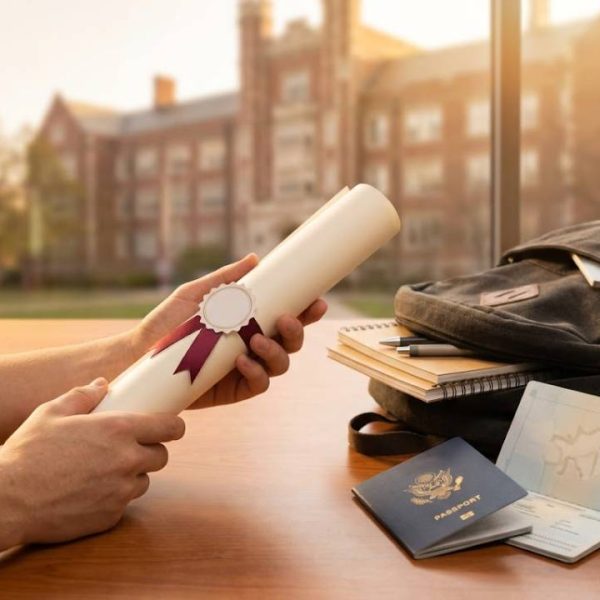
Every year, hundreds of thousands of students pack a suitcase, board a plane, and start a semester or a whole degree in a country that is not their own. Some do it for the prestige of a foreign university, others for the adventure, and a few simply because a course they wanted did not exist at home. Whatever the reason, the benefits of studying abroad tend to run far deeper than a line on a resume. This is a look at what those benefits really are, and how to make sure you actually get them.
More than a stamp in your passport
The most obvious gain is academic. Studying at an institution in another country exposes you to different teaching styles, research strengths, and ways of framing a subject that you would never meet at home. A history taught in Berlin, an engineering course delivered in Singapore, or a design programme in Milan each carry the fingerprints of their place. That intellectual variety stretches you in ways a single system rarely can.
Then there is the language. Living somewhere, rather than visiting, is still the fastest way to become fluent, because you are forced to use the language for real things: ordering food, arguing with a landlord, making friends. Even a few months of daily immersion moves you further than years of classroom study.
The quieter, lasting benefits
Ask people years later what studying abroad gave them, and few mention grades. They talk about confidence. There is a particular kind of self reliance that comes from sorting out a bank account in a language you barely speak, or navigating a health system that works nothing like the one back home. You learn that you can handle unfamiliar situations, and that lesson follows you into every job and relationship afterwards.
Employers notice this too. A candidate who has lived and studied abroad signals adaptability, cultural awareness, and independence without having to spell it out. In a job market that increasingly spans borders, that background is quietly valuable, and knowing what counts as an international student in different systems can help you frame the experience well.
Getting the paperwork right
The less romantic side of studying abroad is administrative, and it is where plans most often stumble. Visas, transcripts, diplomas, and proof of funds all have to be in order, and many universities require official documents to be translated and certified before they will even look at your application. This is not a corner to cut. A rejected document can cost you a whole intake. If you are unsure how to handle it, this guide to the factors to weigh when choosing a translation supplier is a sensible place to start before you hand over your academic records. Precise medical translation can be a matter of patient safety, not just paperwork.
Making the most of the experience
The students who benefit most are rarely the ones who stay in a bubble of people from their own country. The whole point is contact with something different, so push yourself to join local clubs, take classes taught by locals, and travel beyond the campus. Most universities run an international student services office, and using it early, rather than only when something goes wrong, makes the whole transition smoother. These offices exist precisely to help you settle in, and the students who lean on them tend to arrive less stressed and leave better connected.
The benefits of studying abroad are usually described in terms of experience, and the practical barrier is almost always documentation. Degrees, transcripts and civil records all need translating to a standard the receiving country will accept. Students heading to the UAE will find this guide to legal translation dubai a useful orientation to those requirements.
It also helps to talk to people who have already done it. Communities such as the r/studyAbroad community on Reddit are full of frank advice about specific countries and universities, the kind you will not find in a glossy brochure.
Is it worth it?
Studying abroad is not free, in money or in effort, and it is fair to weigh the cost. But for most people who do it, the return is not really measured in tuition or salary. It is measured in a wider view of the world, a second language, and the steady confidence of having built a life, however briefly, somewhere entirely new. Few experiences at that age pay off so quietly for so long.
Choosing where to go
Picking a destination is part practical, part personal. The academic reputation of a university matters, but so do the things that shape daily life: the cost of living, whether you will study in a language you already speak or one you want to learn, the size of the city, and how far it sits from home. A world class programme in a place you quietly dread living in rarely ends well. It helps to be honest with yourself about the kind of environment where you actually thrive, then match a strong course to it rather than the other way around. Scholarships and exchange agreements can also swing the decision, since they turn an option that looked impossible into a realistic one, so it is worth checking what your home institution already has in place before ruling anywhere out.
Coming home changed
One benefit people rarely anticipate is what happens on return. After months of navigating a different culture, your own can look unfamiliar, and that fresh perspective is quietly useful. You notice assumptions you never questioned, appreciate things you took for granted, and carry a network of friends scattered across the map. Reverse culture shock is real and can feel strange for a while, but it fades, and what remains is a broader sense of where you fit in the world. That shift in outlook, more than any certificate, is what former students point to when they say the experience changed them.