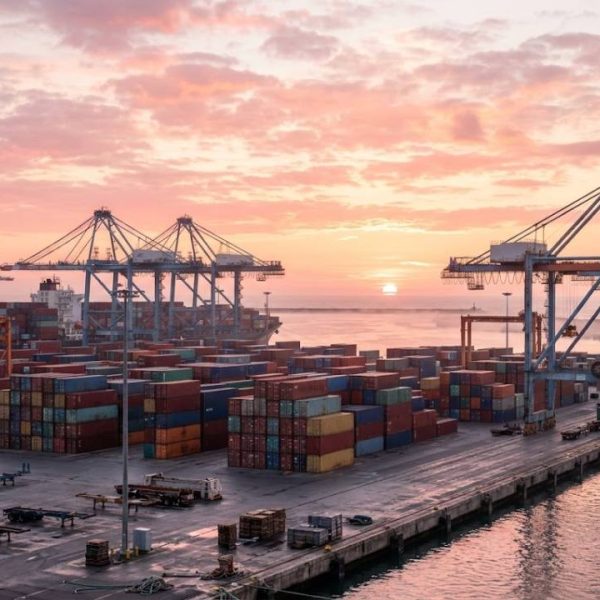
The Netherlands, Belgium and the wider French-speaking world sit at the crossroads of European trade. A company that wants to grow here quickly discovers that English opens the door, but Dutch and French keep it open. Understanding how these three languages work together is a real competitive edge for any international business.
Why Three Languages Matter
Dutch speakers number in the tens of millions across the Netherlands, Flanders and Suriname, and French is an official language in dozens of countries. English connects both groups in meetings and online.
Companies that communicate in all three show respect for their partners and reduce misunderstandings in negotiations, contracts and support.
Dutch Business Culture Is Direct
Dutch professionals value clear opinions, short meetings and honest feedback. Long polite introductions can feel like wasted time, and vague promises raise doubts.
Writing in a direct, plain style, even in English, usually works better than elaborate corporate language when you deal with Dutch partners.
French Business Culture Values Form
In French-speaking markets, tone and formality carry weight. Emails open and close with careful phrases, and titles matter more than many English speakers expect.
The same message can sound confident in Dutch and abrupt in French, so adapting style is part of translating, not an extra.
Belgium Shows How It Works
Belgium has Dutch, French and German as official languages, and companies there handle multilingual communication every day. Contracts, labels and websites often appear in two or three versions.
Studying Belgian practice is a useful shortcut for any firm planning a regional rollout.
Translating Technical Documents
Manuals, safety sheets and specifications need exact terminology. A wrong word for a pressure level or a part number creates real danger and legal exposure.
For these projects, professional dutch to english business translation should involve a linguist who knows your industry and keeps a glossary updated.
Marketing Needs More Than Translation
Slogans, campaigns and product names rarely survive word-for-word conversion. Humor and rhythm change from one language to the next.
Our article on marketing transcreation explains how creative adaptation protects brand voice while keeping the original idea intact.
Contracts and Compliance
Business agreements must be clear in every language involved. Decide which version prevails in case of conflict, and state it in the text.
Local regulations on consumer information, data protection and labelling also differ by country, so check them before you print or publish.
Websites and Online Stores
Visitors expect checkout, delivery details and return policies in their own language. Missing information is one of the main reasons for abandoned baskets.
Use separate language versions with proper tags so search engines show the right page to the right user.
Customer Support Across Borders
Support in the customer language builds loyalty faster than discounts. Even simple templates, translated and tested, improve response time and satisfaction.
Train your team on typical phrases and escalate complex cases to bilingual specialists.
Government and Trade Information
Official portals offer helpful guidance on registration, taxes and regulations. The Business.gov.nl site is a practical starting point for companies entering the Dutch market.
Share translated summaries with your internal team so everyone works from the same facts.
Building a Multilingual Team
Hiring native speakers or training staff in key languages pays off in relationships as well as in documents. Language skills also help during informal conversations that never reach an email.
External linguists can fill gaps for peak periods or specialised topics.
Managing Terminology
Keep a shared glossary for product names, legal terms and recurring phrases in Dutch, French and English. New hires and new vendors can then match your style from day one.
Consistent wording across all materials makes your company look organised and reliable.
Planning Your Timeline
Allow time for translation, revision, layout and approval by local colleagues. Rushing the process usually produces errors that cost more to fix later.
Build language steps into the project plan from the start, not as a final task before launch.
Measuring Results
Track enquiries, sales and support satisfaction in each language. If one market lags, review the content before changing the offer.
Small wording adjustments often improve response rates noticeably.
Handling Cultural Details
Holidays, working hours and gift customs vary across Dutch and French speaking regions. A campaign launched on the wrong date, or a greeting that ignores local habits, can look careless.
Ask local colleagues to review calendars, images and examples before anything goes public.
Choosing Translation Partners
Pick providers who work into their native language and understand business topics. Ask for samples, references and a clear revision process.
A reliable partner explains choices, flags unclear source text and delivers on time, which keeps your international projects moving without drama.
Next Steps for Your Company
Start with one market and one set of documents. Test the process, gather feedback and refine your glossary.
Then expand to new languages and channels with confidence, knowing your communication is clear in Dutch, French and English alike.